
Now in its third and final year, the RCOG Surgical Skills Project is delivering practical, evidence-based improvements to surgical training and standards. This will support the O&G workforce to provide high-quality, evidence-based care now and in the future.
Every tool, course and framework in this project was shaped by what O&G clinicians told us they needed. This is not training designed in isolation - it reflects the real pressures, gaps and priorities of our members and trainees delivering care on the ground.
We spoke to Clinical Fellows – Hannah Pierce and Naomi Harvey to find out more about what they’ve been working on and what’s to come in the next year. We’re encouraging our Membership to explore the resources, join the conversation, and tell us what you think.
Cast your mind back to the beginning - what problem were you trying to solve with this project, and why did it feel urgent?
Naomi: Gynaecology has changed so dramatically over the last 20 to 30 years, and how trainees work now is completely different from how their trainers did. We needed to be honest about that shift. Trainees today will be lucky to perform 10 to 50 hysterectomies by the end of training and being told that people previously did hundreds isn’t really helpful - it just makes you feel like you're failing.
That's exactly what was happening. Trainees had been telling us in dribs and drabs for years that they felt despondent - like it was their own fault, like they weren't trying hard enough or weren't seeing the opportunities that were there. So, when Immediate Past President, Ranee Thakar, identified this as one of her priorities, I think it genuinely made trainees feel seen. The first step to solving a problem is recognising that it exists. The project came out of that recognition - a way forward to evolve surgical training for what is happening here and now.
Hannah: There's also a real equity dimension. Around 75% of our trainees are female, yet when it comes to more advanced gynaecology jobs such as gynaecology subspecialty positions or consultant posts, those numbers seem to flip and women plus ethnic minorities are significantly underrepresented. That's not a capability issue, it's a complex issue, compounded by differences in access, mentorship and all the other pressures trainees face. We needed to shift surgical training to match the workforce of today and importantly, a diverse workforce is what our patients need, because that's what delivers the best care. This project is all about improving surgical training for every resident doctor and ensuring every doctor has the opportunity to reach their full surgical potential.
It’s now the third and final year of the project – Can you give us a concrete example of something you’ve delivered that's making a difference on the ground?
Naomi: Seeing our Phase 1 report out in the world has been incredible. For years, people had been saying the same things anecdotally about gynaecology surgical training but now we have hard evidence to back this up. As a workforce, we struggled to acknowledge the problem, and that report did exactly what we needed: it confirmed it exists, and gave us a blueprint for the rest of the project by identifying five key areas for change and improvement.
Hannah: We've also recently launched a new series of free webinars, delivered by leading experts, covering every surgical procedure in the RCOG core curriculum. They will be accessible on demand through the RCOG's learning management system, so trainees and trainers can return to them at every stage of development.
I'm particularly proud of these because they're plugging a huge resource gap that trainees have been requesting for some time and they'll be available for years to come. We had over 300 attendees at the first one, which tells you everything about the demand for these.
What does the data or feedback tell you about the project's reach - who's engaging with it, and how?
Hannah: A lot of our work over the last couple of years has been behind the scenes, but we're now at the exciting stage of implementing changes. This means we're starting to get real feedback on things that are out in the world, like our podcasts, webinars and training sessions.
It's been wonderful to see conversations about surgical training happening across so many different spaces. We've had a seat at the table for some really significant discussions - for example, piloting changes to the training matrix. Being able to bring our changes to heads of schools and get key decision-makers on board has been a real milestone. However, it's equally meaningful when an individual trainee reaches out to say how much a webinar or podcast episode has helped them.
Naomi: We're determined to keep gathering feedback, because that's how we understand what's actually working in practice. When we go to conferences now, people already know the project - they know why it's needed, and the conversation has moved forward. We're being invited to bigger events, given more time to speak, and getting recognised across the societies which is great.
What are the outputs or milestones people should be watching out for in the next 12 months?
Hannah: We're about to pilot our Surgical Train the Trainer course, which I'm particularly excited about. Educators train in such a stressful and chaotic environment, and they still do it with such grace because they care about trainees. This course gives them an extra set of skills and a toolkit that really recognises those challenges. I hope it also makes them feel valued, because they absolutely should.
Naomi: We have a lot coming up around simulation training, which is crucial as a backbone for safe surgical practice - especially as operative numbers continue to fall. Simulation gives trainees the opportunity to operate in a safe environment, and we're starting to get national recognition for this work. If we can get to the stage where simulation training is embedded in training for every trainee who comes after us, that's a significant shift.
What needs to happen to make sure this work doesn't just sit on a shelf - that it genuinely embeds into how O&G training works long-term?
Naomi: We have to be honest: these are big asks. The project is trying to achieve big things but that's what's needed. The work is ambitious because it has to be - ultimately, it's about making our trainees better surgeons, our workforce more confident, and our patients better cared for. We hope the College will continue to champion this even after the project finishes, because the ongoing implementation of what the project identifies is just as important as the initial findings.
Hannah: The work is never going to be finished as surgery doesn't stand still. We're doing more innovation, pushing boundaries for better care, and training needs to keep evolving with it. Our trainees are only trainees for a relatively short period of time. We can't afford to wait. We need to bring them with us, open the door to new technologies, and commit to the change rather than watching from the sidelines.
Ultimately, this is a conversation about the prioritisation of women's health. Patients are waiting too long for gynaecology care. Funding education and surgical training isn't a separate issue - it's central to changing that.
What would you say to a trainee starting their surgical training today about what this project means for them?
Naomi: This project is proof that trainee voices matter and that your experiences drive real change. We've been supported by the College to go out and do something about the problems trainees have been raising for years. We don't want anyone to come to the end of training feeling under-confident, unsupported, or unprepared to train the people who come after them. This project has tried to build a full package of support for all-round development, not just technical skills.
Hannah: If I were starting out again, I would do more simulation training. Take every opportunity to practise, because this project has recognised honestly that trainees won't have the same surgical opportunities as those before them. Simulation is a way of closing that gap. We're working hard to improve the quality of feedback trainees receive during simulation, because practising without guidance isn't going to help anyone. I want future trainees to know that access to good simulation training, with proper feedback, can make a real difference.
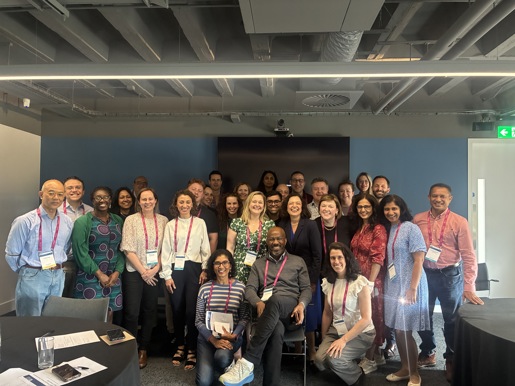
- We want to hear from you. Whether you're a trainee, trainer or educator, your feedback shapes this work. Reach out to the team directly at nharvey@rcog.org.uk or hpierce@rcog.org.uk and help us make sure this project delivers lasting change for the whole O&G workforce.